TEMPO.CO, Jakarta - Europe is facing a new climate reality as increasingly intense heatwaves, prolonged droughts, shrinking rivers, and destructive wildfires reshape daily life, strain energy systems, and threaten food security across the continent.
What were once considered exceptionally hot summer temperatures have become increasingly common. Cities across Central and Southern Europe have repeatedly recorded temperatures above 40 degrees Celsius, while countries traditionally known for milder summers have also experienced prolonged periods of extreme heat.
Scientists have long warned that climate change would increase both the frequency and intensity of extreme weather events. Recent summers suggest those projections are becoming reality, with heatwaves lasting longer, arriving earlier, and affecting multiple countries simultaneously.
As reported by Al Jazeera, data from the European Union's Copernicus Climate Change Service showed that parts of France, Spain, and the United Kingdom experienced daily average temperatures more than 10 degrees Celsius above seasonal norms during late May and June. Western Europe recorded its warmest June on record, averaging more than 20 degrees Celsius, about three degrees above the 1991–2020 average.
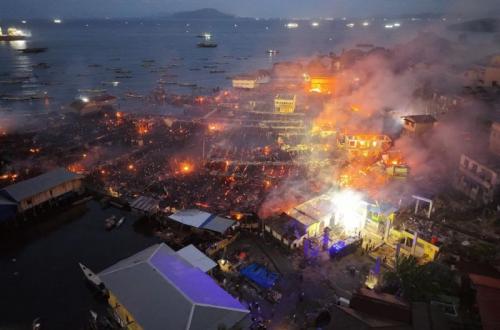
The consequences extend well beyond uncomfortable weather. Drier vegetation has fueled increasingly destructive wildfires across Spain, Portugal, Greece, Italy, and France, while drought has reduced river levels and placed mounting pressure on agriculture, transport, and electricity generation.
Wildfires have become both larger and more frequent as prolonged heat dries forests, scrubland, and grasslands into highly combustible fuel. The European Union recorded about one million hectares of burned land last year, nearly twice the historical average.
Some fires have become so intense that they generate their own weather systems, producing powerful winds and lightning capable of igniting new blazes kilometers away.
Water shortages have emerged as another growing challenge. Rivers including the Rhine, Danube, and Po have repeatedly reached unusually low levels, disrupting cargo shipping, reducing hydroelectric generation, and threatening industries that rely on river water for cooling.
The agricultural sector has also come under mounting pressure. Farmers across Southern and Central Europe are reporting lower crop yields, livestock heat stress, and rising irrigation demand as available water supplies continue to decline.
The effects are increasingly visible in everyday life. Water restrictions have become more common, while governments are expanding cooling centers and early warning systems to protect vulnerable populations during extreme heat.
According to Sky News, the drought has now pushed parts of Eastern and Central Europe toward an energy crisis as record-low water levels threaten nuclear and hydroelectric power generation.
Romania has carried out controlled underwater explosions along the Danube to improve water flow toward the Cernavoda nuclear power plant, while authorities warned that prolonged drought could affect reactor operations.
In neighboring Hungary, Danube water levels in Budapest recently fell to around 10 centimeters, well below the previous record low set in 2018. The unusually low river has forced the country's only nuclear power plant to operate at significantly reduced capacity because the river provides cooling water for its reactors.
Hungarian authorities have also imposed water-use restrictions in more than 100 towns and villages while encouraging households and businesses to reduce electricity consumption during peak demand periods.
The Rhine has also reached record-low levels in parts of Germany, disrupting one of Europe's most important freight corridors. Cargo volumes moving between Rotterdam and inland Europe have declined, increasing transportation costs for manufacturers and exporters.
Meanwhile, northern Italy's Po River basin continues to experience severe water shortages, threatening rice production and drinking water supplies.
Beyond environmental impacts, the economic costs continue to mount. The European Environment Agency estimates that extreme weather has caused hundreds of billions of euros in damage over recent decades, with climate-related losses accelerating sharply in recent years.
Insurance claims have increased, while governments face rising costs for disaster response, infrastructure repair, and emergency assistance. Many economists argue that investing in climate adaptation today will prove significantly cheaper than repeatedly rebuilding after increasingly frequent disasters.
Scientists say Europe is warming faster than the global average, meaning hotter summers, more frequent droughts, and larger wildfires are expected to become increasingly common unless greenhouse gas emissions are substantially reduced.
While cities are planting more trees, redesigning streets, improving water conservation, and strengthening emergency preparedness, researchers stress that adaptation alone will not eliminate the growing risks posed by a warming climate.
For Europe, recent summers are no longer viewed as isolated weather anomalies. Instead, they increasingly represent what the continent's future climate could look like if global temperatures continue to rise.
Read: UK Heatwave Ends as Thunderstorms Raise Flash Flood Risk
Click here to get the latest news updates from Tempo on Google News