August 6, 2026 | 08:24 pm
TEMPO.CO, Jakarta - August 2026 will be a spectacular month for skywatchers, with a lineup of nine night sky events bringing eclipses, meteor showers, planetary encounters, and other celestial displays. From the peak of the Perseids meteor shower to the return of the northern lights, these astronomical events will offer plenty of opportunities to look up and enjoy the wonders of the cosmos.
Here are nine night sky events, according to National Geographic.
9 August Night Sky Events
1. Planetary Alignment - All August
On August 4, the Moon and Saturn will appear close together after twilight, while a rare planetary alignment featuring Jupiter, Mercury, Mars, and the Moon will be visible before sunrise from August 8 to 11. You will need a telescope or strong binoculars to spot Uranus and Neptune.
2. Mercury at Its Best Viewing Point - August 2
Mercury will be easier to spot on August 2 as it reaches its greatest western elongation, appearing farther from the Sun. The planet will join August’s early morning planetary display, offering a chance to observe it before sunrise, especially early in the month.
3. Moon Meets the Pleiades - August 7
After midnight on August 7, many U.S. skywatchers can see the waning crescent Moon pass in front of several stars in the Pleiades cluster during a lunar occultation. The event will last about an hour, though visibility will depend on location.
4. Total Solar Eclipse - August 12
A total solar eclipse will occur in mid-August as the Moon passes between Earth and the Sun, creating a brief period of darkness along the path of totality across eastern Greenland, western Iceland, and northern Spain. Parts of Europe, northwest Africa, eastern Canada, and the eastern U.S. will also see a partial eclipse. Safe viewing requires proper eclipse glasses.
5. Perseid Meteor Shower Peaks - August 12-13
The Perseids meteor shower will peak from August 12–13, with a new moon creating darker skies for better viewing. Under ideal conditions, skywatchers could see more than 100 meteors per hour, with the best views from midnight to dawn. The shower is known for its fast-moving meteors and bright trails.
6. Partial Lunar Eclipse - August 27-28
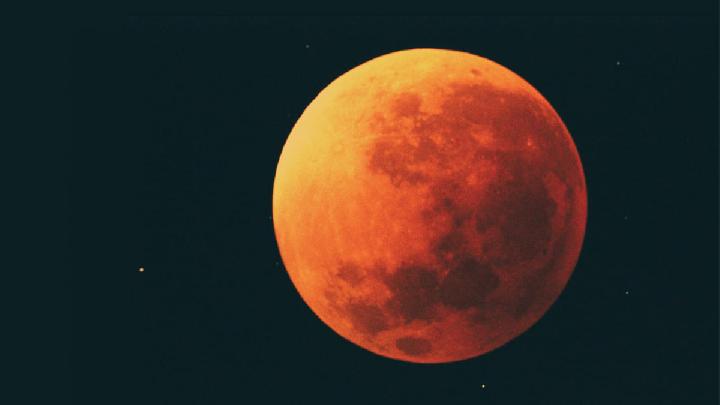
All 50 U.S. states will be able to see August’s partial lunar eclipse, when Earth’s shadow covers about 96 percent of the full Moon. While it won’t turn into a red “blood moon,” viewers may notice a subtle orange tint, with peak viewing times varying by location on August 27.
7. Full “Sturgeon” Moon - August 28
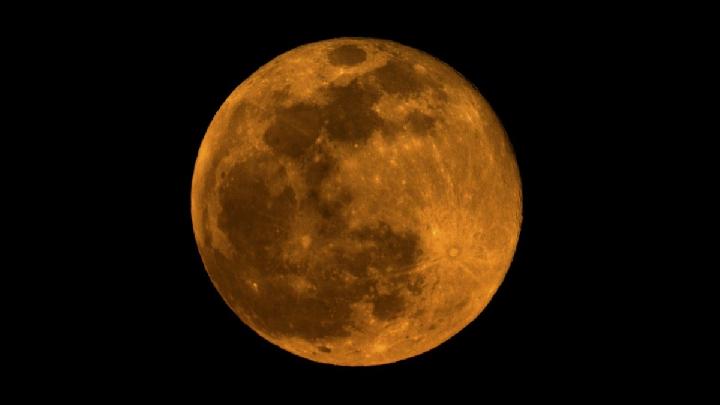
August’s full “sturgeon” Moon will peak around midnight ET on August 28 and appear especially large and bright as it rises that evening. The Moon can be viewed along the eastern horizon near sunset, with its name linked to the abundance of sturgeon fish in the Great Lakes and Lake Champlain.
8. Moon nears Saturn - August 30-31
The Moon will end August’s celestial lineup with a close approach to Saturn from August 30–31. The pair will appear within five degrees of each other, rising together after sunset and moving across the sky overnight before fading at sunrise. Other bright planets, including Mars and Jupiter, will also remain visible.
9. The Start of Aurora Season - Late August
The return of the northern lights season coincides with the arrival of longer nights in the Arctic in late August. Observers in places like Alaska, northern Canada, Iceland, and Scandinavia may catch early aurora displays when skies are clear and solar activity is strong.
Read: Perseids Meteor Shower to Light Up US Skies: When Is the Peak?
Click here to get the latest news updates from Tempo on Google News
Night Sky in July: See the Buck Moon, Planets, and Meteor Showers
41 hari lalu

The night sky in July features bright planets, the Buck Moon, and the Alpha Capricornids meteor shower.
Stargazers' Guide to Dazzling Night Sky Events in May
5 Mei 2026

The night sky events in May are splendid as they are rare. For skywatchers, each night offers a fresh reason to linger longer under the open sky.
Pink Moon 2026: When and Where to Catch the Spectacle
28 Maret 2026

Get ready for April's Pink Moon with key details on its timing, significance, and ideal viewing conditions.
7 Dazzling Night Sky Events in April Worth Watching
28 Maret 2026

April's night sky events shine with meteors, planets, and galaxies. From a bright planet to a full pink moon, here are some worth the sleepless nights
7 Night Sky Events in February 2026: Don't Miss These Celestial Sights
4 Februari 2026

Although February is short, this month is packed with night sky events. From 'ring of fire' to planet parade. Here are the key dates.
January Night Sky Events: What to Watch and How to See Them
8 Januari 2026

January's night sky events welcome 2026 with Jupiter at opposition, moon conjunctions, Orion at its peak, and more.
9 Must-See Night Sky Events in November 2025
5 November 2025
From a super moon to three meteor showers, the enchanting night sky events in November are truly unmissable. Find the dates and details of each event.