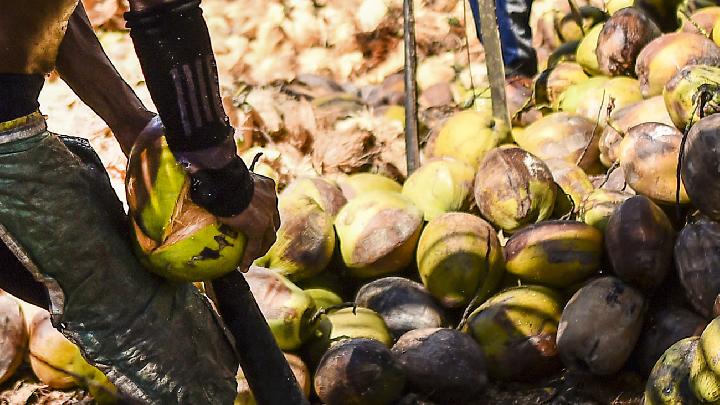
TEMPO.CO, Jakarta - The Indonesia Eximbank Institute (IEB Institute) stated that coconut oil export has demonstrated solid resilience amid global supply pressure and production fluctuations. A sectoral study conducted by the IEB Institute noted that Indonesia remains the world's second-largest exporter of coconut oil, both in crude coconut oil (HS 1513.11) and refined coconut oil (HS 1513.19), with respective global market shares of around 22 percent by 2025.
Rini Satriani, the head of the Indonesia Eximbank Institute, stated that the value of Indonesian coconut oil exports continues to grow despite a decrease in shipment volume. From January to December 2025, the export volume decreased by about 18 percent. However, cumulatively, the export value increased by over 43 percent.
"The increase in export value is mainly driven by price surges due to limited raw material supply and domestic demand, which were also affected by El Nino, leading some factories to temporarily reduce production capacity. The pressure on coconut oil prices in the export market is increasing," Rini said in a written statement on Sunday, May 31, 2026.
According to her, Indonesia ranked second among the world's coconut oil exporters in 2025 with a 22 percent market share. The Philippines ranked first with a 49 percent share, and the Netherlands ranked third with a 10 percent share. Amidst this competition, the export competitiveness for refined coconut oil products can be considered resilient.
Rini stated that Indonesia has the advantage of having a highly diversified coconut oil export market, with over 90 destination countries. This minimizes Indonesia's reliance on one or two main markets, while also increasing bargaining power with destination countries. Indonesia's main markets are the Netherlands, China, the Philippines, Malaysia, and the United States. There are further penetration opportunities in Europe and other non-traditional regions.
Global demand for pure coconut oil continues to increase due to the popularity of healthy lifestyles and natural products in the food, cosmetics, and health industries. As one of the world's largest coconut producers, Indonesia has the potential to penetrate export markets interested in sustainability-based products, such as the European Union.
The IEB Institute projects a moderate growth of approximately 9 percent in the export value of coconut oil by 2026. This growth is influenced by the recovery of production from competitors such as the Philippines and the gradual adjustment of coconut prices to normal levels. Therefore, according to Rini, Indonesia needs the right strategy to strengthen its position in the global market.
While export prospects are relatively maintained, the main challenge for the Indonesian coconut oil sector lies in the resilience of raw material supply. National coconut production faces pressure from aging trees, low productivity of smallholders, the impact of extreme weather, and the increasing export of whole coconuts overseas.
She believes that rejuvenating coconut plantations and strengthening downstream processing are key to maintaining the sustainability of the national coconut oil industry. The government has initiated steps for plantation rejuvenation, with around 44.9 thousand hectares realized in 2024, and targets to expand replanting programs to hundreds of thousands of hectares in the 2026-2027 period.
One of the steps to improve competitiveness, expand the use of domestic raw materials, and boost the export of higher-value coconut products is to strengthen value-added coconut oil processing industries in downstream processing. With the right policies in place, including rejuvenating plantations and strengthening downstream processing capacity, Indonesia has a great opportunity to maintain its position as a major player in the global coconut oil market.
Read: Bulog: Rice Exports to Malaysia Priced Above Domestic Limit
Click here to get the latest news updates from Tempo on Google News
Indonesia Mandates DSI Reporting for Natural Resource Exporters from June 1
1 jam lalu

Reporting will be carried out through the Customs Excise Information System and Automation (CEISA) 4.0 platform.
Fraudulent Practices Drain State Revenue
1 hari lalu

There are research and studies on fraudulent practices in exports and imports. The schemes are carried out on a massive and systematic scale.
Bulog: Rice Exports to Malaysia Priced Above Domestic Limit
1 hari lalu
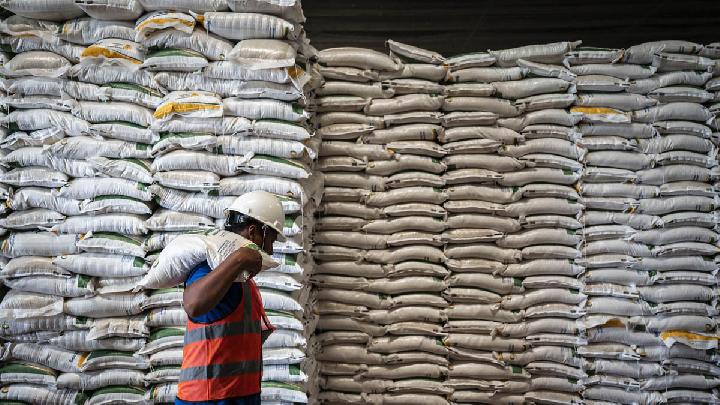
State logistics agency Bulog ensures rice exported to Malaysia will be priced above the domestic maximum retail price to benefit local farmers.
DSI Does Not Benefit From Palm Oil Exports, Deputy Minister Says
1 hari lalu
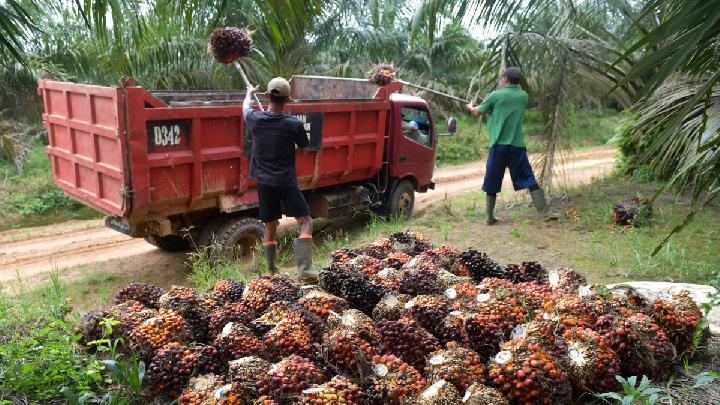
By January 1, 2027, Indonesia aims to have all palm oil, coal, and iron exports managed by PT Danantara Sumberdaya Indonesia.
Today's Top 3 News: Macron Highlights Strong France-Indonesia Ties
2 hari lalu

Here is the list of the top 3 news on Tempo English today.
Saudi Arabia Lifts Ban on Indonesian Shrimp Exports
2 hari lalu

The Saudi Arabian government has lifted the ban on shrimp exports from Indonesia since May 24, 2026.
Buyers Bombard Exporters with Questions
2 hari lalu

Industry players are questioning the mechanism and operational structure of the new export agency. The policy is fueling panic in the market.
Indonesia's Palm Oil Firms Await New Export Regulation Details
2 hari lalu

Three Indonesian palm oil companies said they are awaiting implementing rules on the government's new natural resource export policy.
Why Export Proceeds Rules Do Not Automatically Boost Foreign Exchange Reserves
3 hari lalu

Export proceeds rules raise dollar supply in local banks, but do not automatically increase Bank Indonesia's forex reserves.
A Sudden Monopoly
3 hari lalu
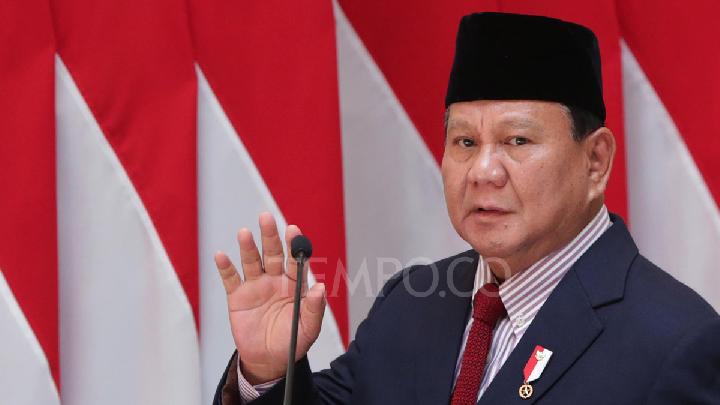
President Prabowo abruptly changed the rules governing strategic commodity exports, channeling them through a single state-owned enterprise.