March 23, 2026 | 10:23 am

TEMPO.CO, Jakarta – Global oil prices are expected to remain elevated as the war involving the United States and Israel against Iran intensifies, raising concerns over higher transportation costs and inflationary pressure in Indonesia.
Citing data from Trading Economics, Brent crude futures climbed to US$112 per barrel on Sunday, March 22, 2026, marking a 56.93 percent increase over the past month.
Meanwhile, West Texas Intermediate (WTI) crude futures rose to US$98 per barrel, up 48.14 percent from the previous month.
Ibrahim Assuabi, a currency and commodities analyst and director of PT Traze Andalan Futures, said WTI crude prices are likely to remain volatile this week, with support at US$93 per barrel and resistance at US$107 per barrel.
Brent crude is also expected to stay high, trading in the range of US$110 to US$116 per barrel, he said in an official statement on Sunday, March 22, 2026.
“What is clearly visible is the sharp rise in Brent crude,” Ibrahim said, noting that Iran is one of the world’s major crude oil producers.
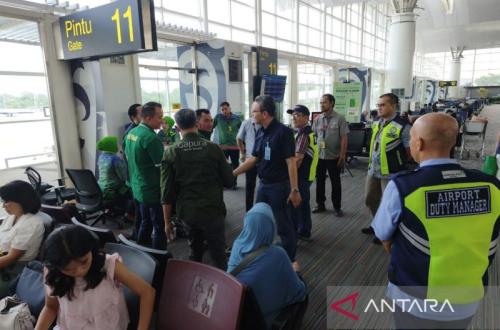
The surge in oil prices could drive up aviation fuel costs, potentially increasing airfares and adding pressure to inflation.
Ibrahim said the conflict shows no signs of easing, as missile strikes by Israel and the United States reportedly killed Iranian leaders, while Iran retaliated by targeting U.S. and Israeli facilities across the Middle East.
“This is what has caused oil and natural gas prices to rise, and the increase is likely to continue for some time,” he said.
To mitigate the impact of rising global oil prices, the Indonesian government is planning to introduce a work-from-home (WFH) scheme.
Under the proposal, employees would work remotely one out of every five working days, with the policy applying to both civil servants and private-sector workers.
The government expects the WFH measure to help reduce fuel consumption amid mounting energy price pressures.
Read: Strait of Hormuz: A Critical Chokepoint in the Global Energy System
Click here to get the latest news updates from Tempo on Google News
Can WFH Cut Electricity and Fuel Consumption?
19 jam lalu

Work from home (WFH) is considered an effective way to reduce the surge in fuel subsidy budgets, though it shifts costs to other sectors.
Strait of Hormuz: A Critical Chokepoint in the Global Energy System
22 jam lalu
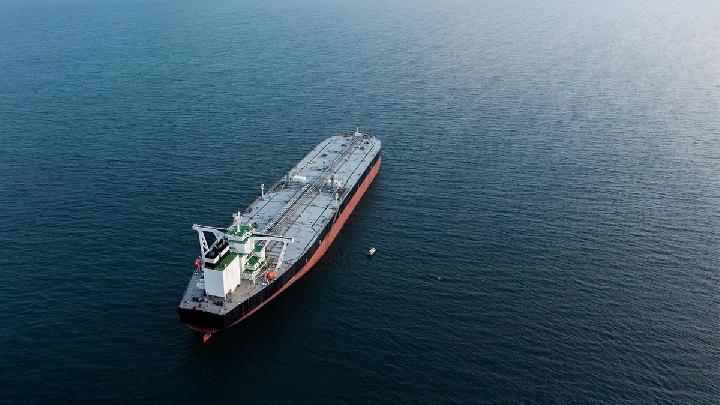
Supply disruptions in the region can drive up energy prices faced by Indonesia.
Indonesia Assures No Subsidized Fuel Price Hike as Oil Tops US$100
3 hari lalu

Minister of Finance Purbaya addresses the subsidized fuel price as global oil prices surge to US$ 100 per barrel.
Prabowo Pushes Energy Savings in Multiple Sectors
3 hari lalu

Prabowo's instructions were intended to promote stability and energy resilience in Indonesia.
Netanyahu Seeks to Move Oil, Gas Through Israel After Iran War
3 hari lalu

Netanyahu denies that Israel "dragged" the US into the war.
Iran War: Why Is the South Pars Gas Field So Important?
3 hari lalu

An attack on Iran's key South Pars gas field has rattled global energy markets, raised fears of further escalation, and driven oil prices even higher.
Today's Top 3 News: Indonesia Considers Oil and Gas Imports From Brunei, Russia
4 hari lalu

Here is the list of the top 3 news on Tempo English today.
Trump Threatens Cuba Takeover During Power Crisis
5 hari lalu

President Donald Trump signals a potential takeover of Cuba as the island faces a total power grid collapse due to U.S. oil blockades.
Trump Says US Doesn't Need Assistance to Reopen Strait of Hormuz
5 hari lalu
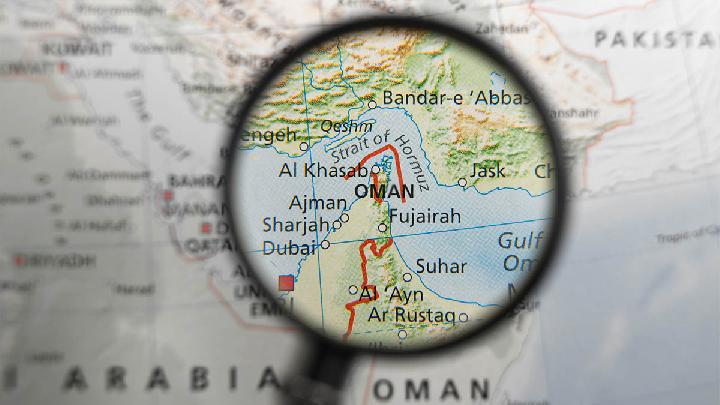
President Trump asserted that the U.S. does not require assistance from other countries to reopen the Strait of Hormuz for international shipping.
JCI Opens Higher Ahead of BI Rate Announcement
5 hari lalu

The Jakarta Composite Index (JCI) opened higher by 52.32 points or 0.75 percent to 7,074.61.