TEMPO.CO, Jakarta - Ratni Indrawanti, a lecturer in the Department of Pediatrics at the Faculty of Medicine, Public Health, and Nursing at Gadjah Mada University (UGM), urged the public to pay serious attention to the increase in measles cases. Measles is a highly contagious disease that can lead to dangerous complications.
From the beginning of the year to February 23, 2026, the Ministry of Health recorded 8,224 suspected measles cases. During that period, 21 extraordinary events (KLB) were also reported in 17 districts/cities across 11 provinces.
"Of these 8,000 cases, the situation is indeed serious and must be handled seriously. However, as long as these cases can be managed through good surveillance, rapid case management, and increased vaccination coverage, they can still be controlled and will not become a health emergency," Ratni said on Sunday, March 8, 2026.
According to Ratni, a health emergency is defined as a rapid and widespread increase in cases that causes serious impacts, such as death, and is difficult to control without a major government response.
The Ministry of Health recorded 13 outbreaks in six provinces, confirmed through laboratory testing. The five provinces with the highest measles outbreaks are West Sumatra, South Sumatra, Yogyakarta Special Region, West Java, and Central Java.
According to Ratni, declining vaccination coverage is one of the main causes of the increase in measles cases. This decline is influenced by various factors, ranging from limited access to health services, distances to health facilities, to reduced immunization activities in the community. Furthermore, the spread of misinformation about vaccines on social media has also affected public confidence in immunization.
Ratni emphasized that measles should not be considered a mild illness. If not properly treated, this disease can lead to serious complications such as pneumonia or pneumonia, and even death.
"Many people underestimate measles. However, if not properly treated, this disease can lead to complications such as pneumonia and even death," said Ratni.
Measles is also a highly contagious disease. The virus is spread through the air or droplets and can persist in enclosed spaces for up to two hours after the sufferer leaves the area. Under certain conditions, a single measles sufferer can transmit the virus to up to 18 people around them.
"The transmission is very rapid because the measles virus is airborne. In a closed space, the virus can survive for up to two hours and poses a risk of infecting others nearby," said Ratni.
According to Ratni, most measles cases in Indonesia are found in areas with low immunization coverage. Indonesia's geographical location, consisting of many small islands, also poses challenges in vaccine distribution and disseminating health information to the public.
She warned that if the downward trend in immunization continues, the impact could be very serious for public health. In addition to increasing the number of children without immunity, this condition has the potential to trigger more outbreaks and increase child mortality.
Measles can also cause various long-term complications, such as encephalitis, seizures, and pneumonia, which can potentially reduce the health of future generations. The groups most at risk of severe complications are infants, children with malnutrition, and unvaccinated children.
Furthermore, someone who has recovered from measles can experience a condition called immune amnesia, where the immune system "forgets" some of the protection against other diseases the body has previously fought off. This condition makes a person more susceptible to various other infections.
To prevent transmission, Ratni emphasized the importance of following the measles immunization schedule, which is given at 9 months, 18 months, and 5 years of age, to ensure optimal immune development.
She also reminded the public to take simple preventive measures such as wearing a mask when experiencing a cough or cold, washing hands regularly, and increasing health education within the family. "We must all be aware. If you have a cough or cold, you should wear a mask, wash your hands, remind your children and grandchildren to get vaccinated, maintain your immune system, and provide proper education to the community," she said.
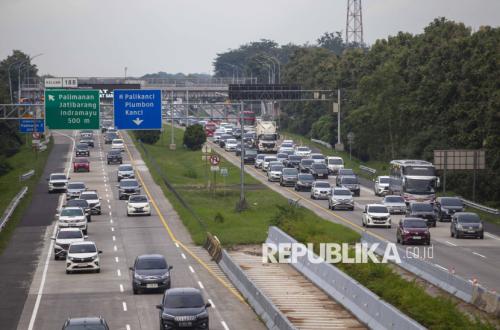
The Ministry of Health also urged the public to increase their vigilance against measles transmission ahead of the homecoming period and the Eid al-Fitr holiday. Increased public mobility and the potential for crowds are said to increase the risk of transmission of this disease.
"Therefore, the public needs to remain vigilant against measles transmission, especially in children who have not received complete immunizations," said the Director General of Disease Control at the Ministry of Health, Andi Saguni, in a press release on Saturday, March 7, 2026.
Read: Indonesian Health Ministry Warns of Measles Ahead of Eid Holidays
Click here to get the latest news updates from Tempo on Google News